Forecast Details for Hixton, WI

Recent Locations: Wellston, OK   Bradshaw, WV   Hixton, WI  
Current Alerts for Hixton, WI: Flood Warning
Overnight: Mostly cloudy, with a low around 28. Northwest wind 11 to 13 mph, with gusts as high as 28 mph.
Sunday: A 30 percent chance of showers, mainly after 5pm. Mostly sunny, with a high near 49. West wind 9 to 11 mph, with gusts as high as 24 mph.
Sunday Night: A 30 percent chance of showers, mainly before 9pm. Mostly cloudy, with a low around 28. Northwest wind 7 to 9 mph, with gusts as high as 21 mph.
Monday: Partly sunny, with a high near 39. Northwest wind 10 to 14 mph, with gusts as high as 26 mph.
Monday Night: Mostly clear, with a low around 13. North wind 5 to 10 mph becoming light in the evening. Winds could gust as high as 21 mph.
Tuesday: Sunny, with a high near 44. Calm wind becoming south 5 to 7 mph in the afternoon.
Tuesday Night: A slight chance of snow showers before 1am, then rain and snow showers likely. Mostly cloudy, with a low around 30. South wind 7 to 13 mph, with gusts as high as 25 mph. Chance of precipitation is 60%.
Wednesday: A chance of rain and snow showers before 1pm, then rain showers likely. Partly sunny, with a high near 62. Breezy, with a south wind 14 to 18 mph, with gusts as high as 31 mph. Chance of precipitation is 60%.
Wednesday Night: A 50 percent chance of showers. Partly cloudy, with a low around 36. West wind 7 to 14 mph, with gusts as high as 25 mph.
Thursday: A 40 percent chance of showers. Partly sunny, with a high near 52. Northwest wind 6 to 9 mph.
Thursday Night: A chance of rain and snow showers. Mostly cloudy, with a low around 31. North wind around 6 mph becoming east after midnight. Chance of precipitation is 50%.
Friday: A chance of rain and snow showers. Mostly sunny, with a high near 55. East wind 6 to 9 mph. Chance of precipitation is 50%.
Friday Night: A 50 percent chance of showers. Mostly cloudy, with a low around 35. East wind around 6 mph.
Saturday: A 50 percent chance of showers. Partly sunny, with a high near 59. Southeast wind 6 to 8 mph.

Want more detail? Get the Complete 7 Day and Night Detailed Forecast!

Want to Receive our Free Daily Forecast Emails in your inbox by 5 a.m.?
There are no ads! Learn More
We respect your privacy and will not share or sell your email with anyone.

Current U.S. National Radar--Current

The Current National Weather Radar is shown below with a UTC Time (subtract 5 hours from UTC to get Eastern Time).

Current U.S. National Radar

National Weather Forecast--Current

The Current National Weather Forecast and National Weather Map are shown below.

Today's National Weather Map

National Weather Forecast for Tomorrow

Tomorrow National Weather Forecast and Tomorrow National Weather Map are show below.

Tomorrows National Weather Map

North America Water Vapor (Moisture)

This map shows recent moisture content over North America. Bright and colored areas show high moisture (ie, clouds); brown indicates very little moisture present; black indicates no moisture.

North American Water Vapor Map

Weather Topic: What are Cirrocumulus Clouds?

Home - Education - Cloud Types - Cirrocumulus Clouds
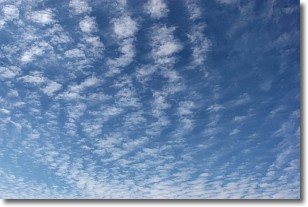
Cirrocumulus Clouds Next Topic: Cirrostratus Clouds

Cirrocumulus clouds form at high altitudes (usually around 5 km) and have distinguishing characteristics displayed in a fine layer of small cloud patches. These small cloud patches are sometimes referred to as "cloudlets" in relation to the whole cloud formation.

Cirrocumulus clouds are formed from ice crystals and water droplets. Often, the water droplets in the cloud freeze into ice crystals and the cloud becomes a cirrostratus cloud. Because of this common occurrence, cirrocumulus cloud formations generally pass rapidly.

Next Topic: Cirrostratus Clouds

Weather Topic: What are Cirrus Clouds?

Home - Education - Cloud Types - Cirrus Clouds
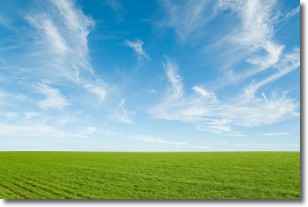
Cirrus Clouds Next Topic: Condensation

Cirrus clouds are high-level clouds that occur above 20,000 feet and are composed mainly of ice crystals. They are thin and wispy in appearance.

What do they indicate?
They are often the first sign of an approaching storm.

Next Topic: Condensation

Current conditions powered by WeatherAPI.com